3-Ingredient Shortbread
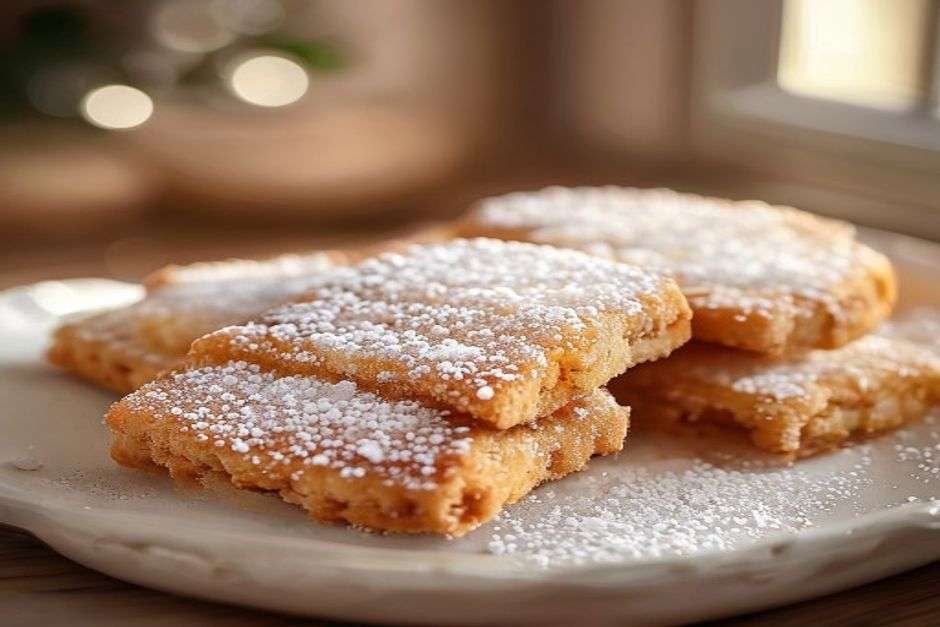
Sometimes the simplest thing is the best thing. Classic shortbread is nothing but butter, sugar and flour — no eggs, no leavening, no fuss — and when you get the ratio right, it's crisp, sandy, and unbelievably buttery. This is the recipe I fall back on again and again.
Because there's nowhere to hide with so few ingredients, quality matters: use a good butter and weigh your flour. That's the whole secret.
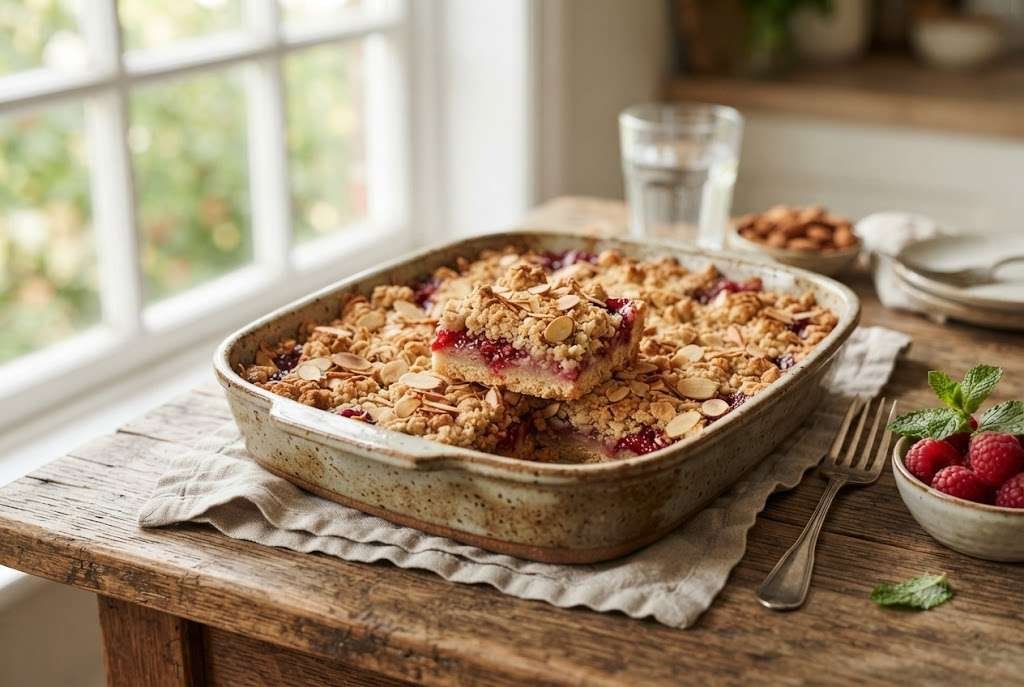
Once you've mastered these, try dressing them up as raspberry almond crumble bars, or bake a batch of soft frosted sugar cookies for something softer.
Why this recipe works
The magic of shortbread is the ratio: roughly one part sugar, two parts butter, three parts flour by weight. All that butter and no liquid gives a tender, crumbly, melt-in-the-mouth texture. A little cornflour (optional) makes it even more delicate. Baking low and slow keeps it pale and crisp rather than browned.
What you'll need
Just three things — so make them good ones:
- Butter: the flavour is all butter here, so use one you enjoy. Softened, not melted.
- Sugar: fine granulated or caster sugar dissolves best for a smooth texture.
- Flour: plain all-purpose. Weigh it — this recipe is all about the ratio.
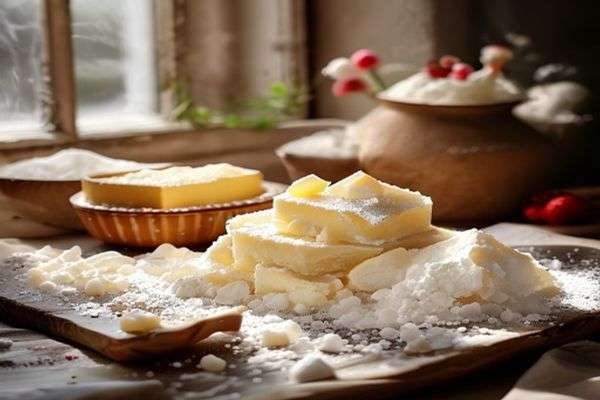
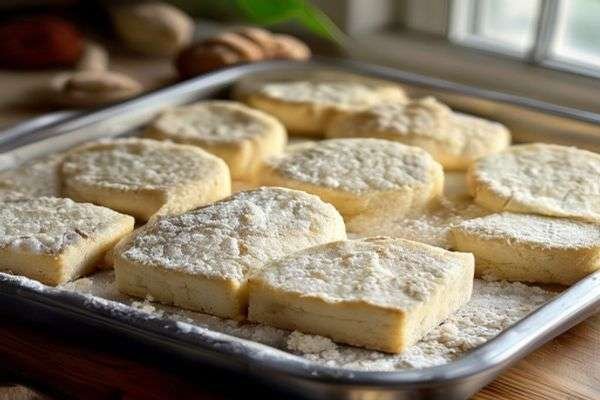
Smart swaps: add a pinch of salt if your butter is unsalted and you like contrast. For extra-tender shortbread, replace ¼ cup of the flour with cornflour (cornstarch). Vanilla or citrus zest are easy flavour add-ins.
3-Ingredient Shortbread
Crisp, buttery classic shortbread. Makes 16 fingers.
Ingredients
- 1 cup (227 g) unsalted butter, softened
- ½ cup (100 g) caster or fine sugar, plus more to dust
- 2¼ cups (280 g) all-purpose flour
Method
- Heat oven to 160°C / 325°F. Line a 20cm (8-inch) square tin with parchment.
- Beat the softened butter and sugar until just combined and creamy — don't over-whip.
- Add the flour and mix on low until it comes together into a soft dough.
- Press evenly into the tin and smooth the top. Prick all over with a fork.
- Bake 33–38 minutes, until pale gold at the edges. Don't let it brown.
- Dust with sugar and score into fingers while warm. Cool fully in the tin, then lift out and cut.
Step by step
Step 1 — Cream gently
Beat the butter and sugar just until creamy — too much air makes shortbread puff and lose its snap. You want it smooth, not fluffy.
Step 2 — Press and prick
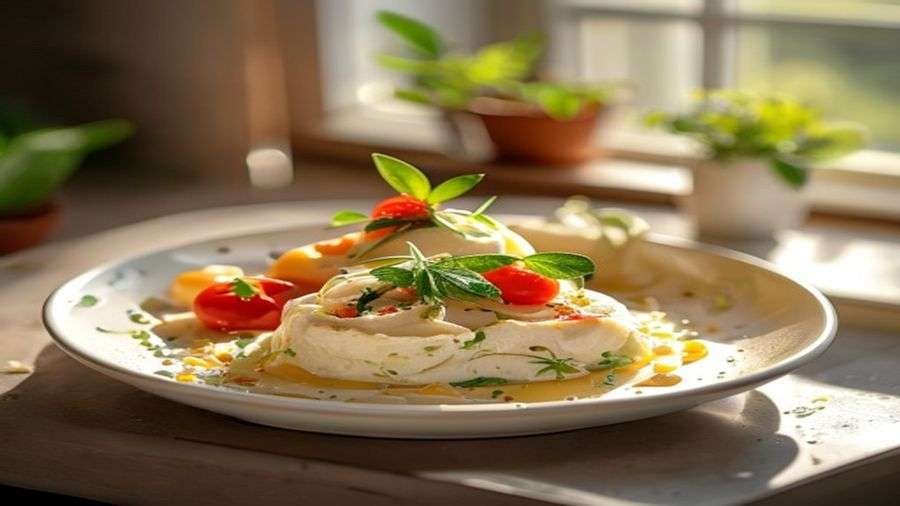
Work in the flour to a soft dough, press it evenly into the tin, and prick all over with a fork. The pricks stop it doming and give that classic look.
Step 3 — Bake pale, cut warm
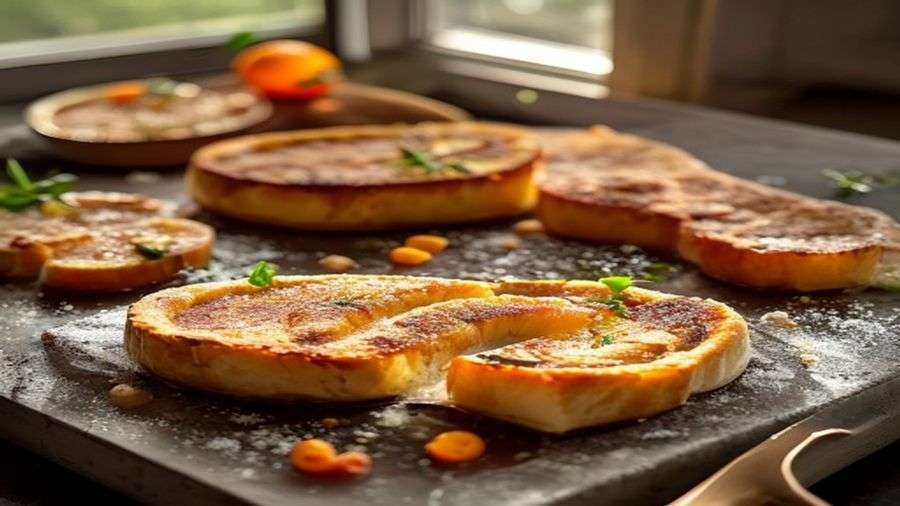
Bake low and slow until just pale gold — browning means it's gone too far. Score into fingers while warm, but cool fully before lifting out.
Pro tips
- Weigh everything. Shortbread is all about ratio; cups are less reliable here.
- Don't over-cream. Too much air ruins the crisp, sandy texture.
- Bake it pale. Golden edges only — browned shortbread tastes different and loses its delicacy.
- Score while warm, cut when cool. This gives clean fingers without cracking.
- Add cornflour for tenderness. Swap ¼ cup flour for cornflour if you like it extra short.
Storage & make-ahead
Shortbread keeps brilliantly — up to 2 weeks in an airtight tin at room temperature, staying crisp the whole time. It also freezes well for up to 3 months, baked or as raw pressed dough (bake from frozen, adding a few minutes). It's a great make-ahead for gifts.
Variations & substitutions
- Vanilla: beat in 1 tsp vanilla with the butter.
- Citrus: add lemon or orange zest for brightness.
- Chocolate-dipped: dip cooled fingers halfway in melted chocolate.
- Smaller batch: use the ½x scaler and a loaf tin.
Frequently asked questions
Why is my shortbread tough?
Usually over-mixing once the flour is in, or too much flour. Mix just until it comes together and weigh the flour.
Can I use salted butter?
Yes — it gives a nice sweet-salty edge. Skip any added salt if you do.
Why did it brown too much?
Your oven may run hot, or it baked too long. Keep it at 160C/325F and pull it pale gold.
Can I make it in advance?
Definitely — shortbread keeps for two weeks in a tin and freezes well, making it ideal for gifts.
Final thoughts: this is the recipe to have in your back pocket forever — three ingredients, endlessly adaptable, always welcome with a cup of tea. Bake a batch and tell me how you like to flavour yours on the contact page.
For the science behind the classic shortbread ratio, King Arthur Baking explains it well.

About Aisha
I'm a self-taught home cook who writes recipes the honest way — refined until they genuinely work, with no shortcuts and no fake awards. More recipes by Aisha →